






Support-free 3D printing for lower unit costs
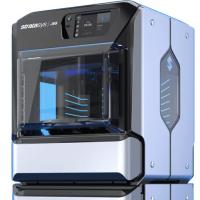
As more parts are printed, the removal of support structures has a greater impact on the costs per part. This is especially important when 3D printing is used for the production of end parts, because removing support often still requires manual work. With the Stratasys Origin One support-free printing is possible.
Stratasys Origin One's P3 technology was developed from the ground up for production purposes. The accuracy, consistent quality and detail make this printing technology suitable for, for example, printing on-demand machine parts or components for other applications. Even – or even – when it concerns tens of thousands of parts per month. The printing time per part is often no longer than a few tens of seconds or a minute.
Why the Origin One lends itself to 3D printing for assembly
Post-processing is a larger cost item
The printer costs are often the smallest cost item; the material costs are the greatest. Post-processing is often in between. It is therefore important to avoid the manual factor when 3D printing end parts as much as possible. Removing support not only takes a lot of time in post-processing, printing it also costs time and material. So if one can avoid support, costs decrease in all three areas. As soon as hundreds or thousands of parts need to be printed - not unusual numbers for the Origin One - then the savings are significant. Removing support structures cannot be done in batches.
When can you print support-free 3D?
Support-free printing is one of the special features of the Origin One. This is not possible in all cases, it partly depends on the design. As soon as a design has a surface that can be placed on the build plate, support-free printing is possible. Furthermore, there should be no islands in the component or large, flat overhangs. In practice, one can often slightly adjust the design of a part to make it suitable for support-free printing. Sometimes it is necessary to print a venting feature. The problem with the overhang can be solved by printing it at an angle. A corner or bevel can also make a part suitable for support-free 3D printing.
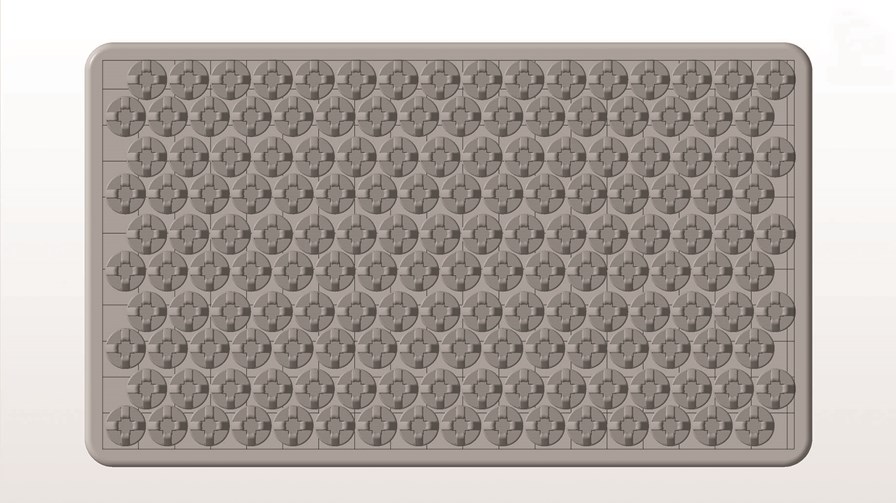
print 20 seconds per part
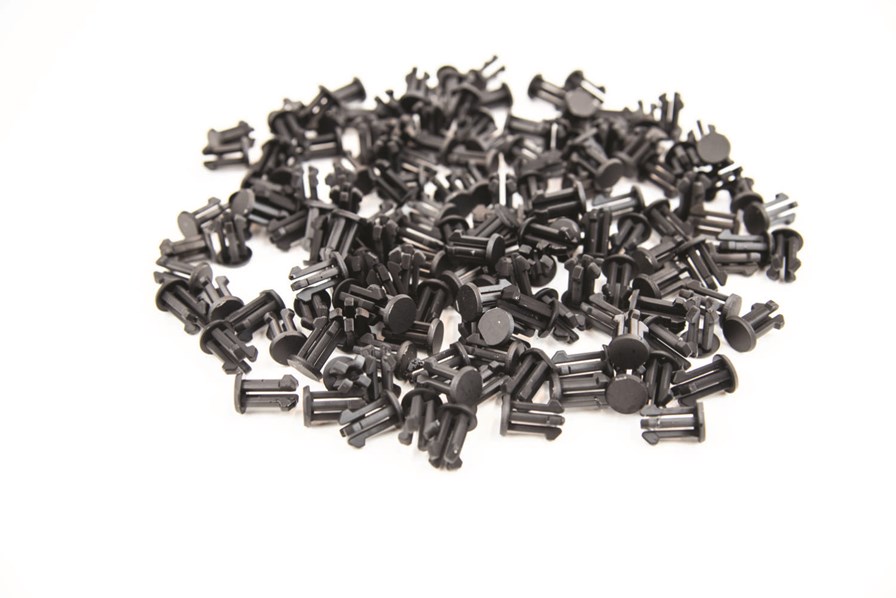
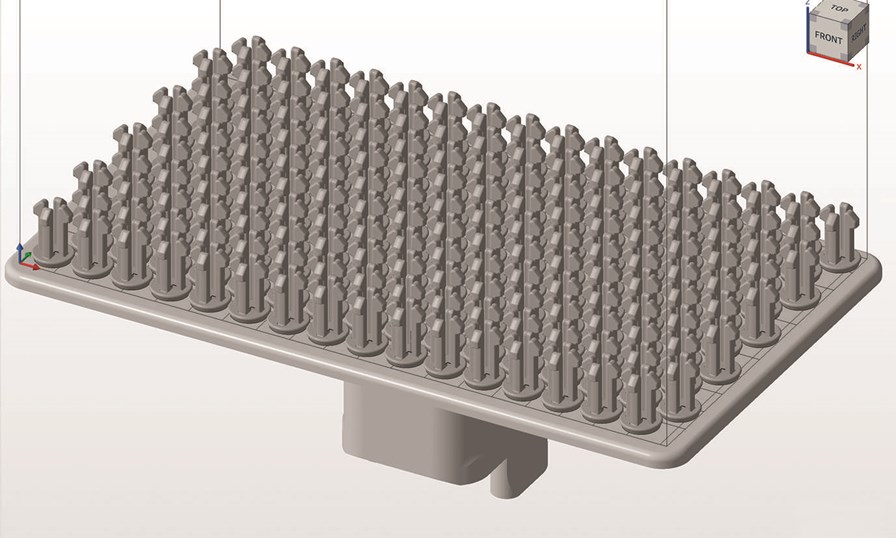
An example is the 3D printing of pressure rivets. By orientating the parts in rows vertically on the build plate, 160 rivets can be printed at a time. These are 17 mm high, which means a printing time of half an hour. In an 8-hour shift one can produce 2,500 parts, or 50,000 per month. This means a printing time of just under 20 seconds per part. If an operator were to spend 30 seconds removing support per rivet, that would mean more than 2.5 hours of manual work per batch of 320 rivets. That is precisely why it is so important to choose the right printing technology for each application.
Our sales engineers are happy to think with you about how you can use P3 technology to make your production more flexible and highly automated.

Over 20 years of experience
Experience, expertise, and customer satisfaction are the cornerstones of our company.

Authorized distributor
Your AM partner in the Benelux, France, and the Nordics, with service operations and local offices in each region.

Go for the best deal
We offer a range of financing options to suit every use case, including renting, leasing, and trade-in solutions.