







From Weeks to Hours: Rapid Tooling Redefines Injection Molding
THE PROBLEM
Traditional tooling: a costly bottleneck
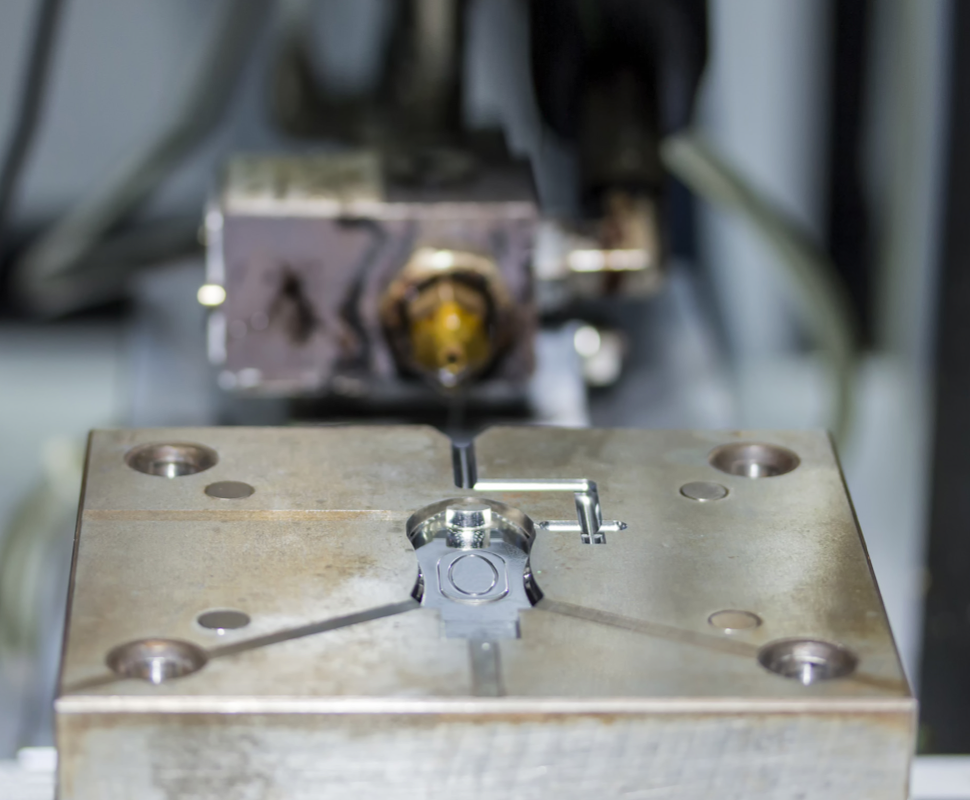
Manufacturers under time pressure must balance speed, costs and quality. Yet the production of molds is often the step that slows down product development the most.
Traditional injection molding tools require weeks to months lead time, with costs ranging from €5,000 to more than €100,000 depending on complexity. Every design change means new waiting and new costs - and that significantly delays market introduction.
Rapid tooling solves this by producing molds and inserts cheaper and faster using 3D printing - for design validation, pilot series and faster decision-making, even before the final tooling is ready.
THE TECHNOLOGY
P3 DLP: the basis for accurate and reliable tooling
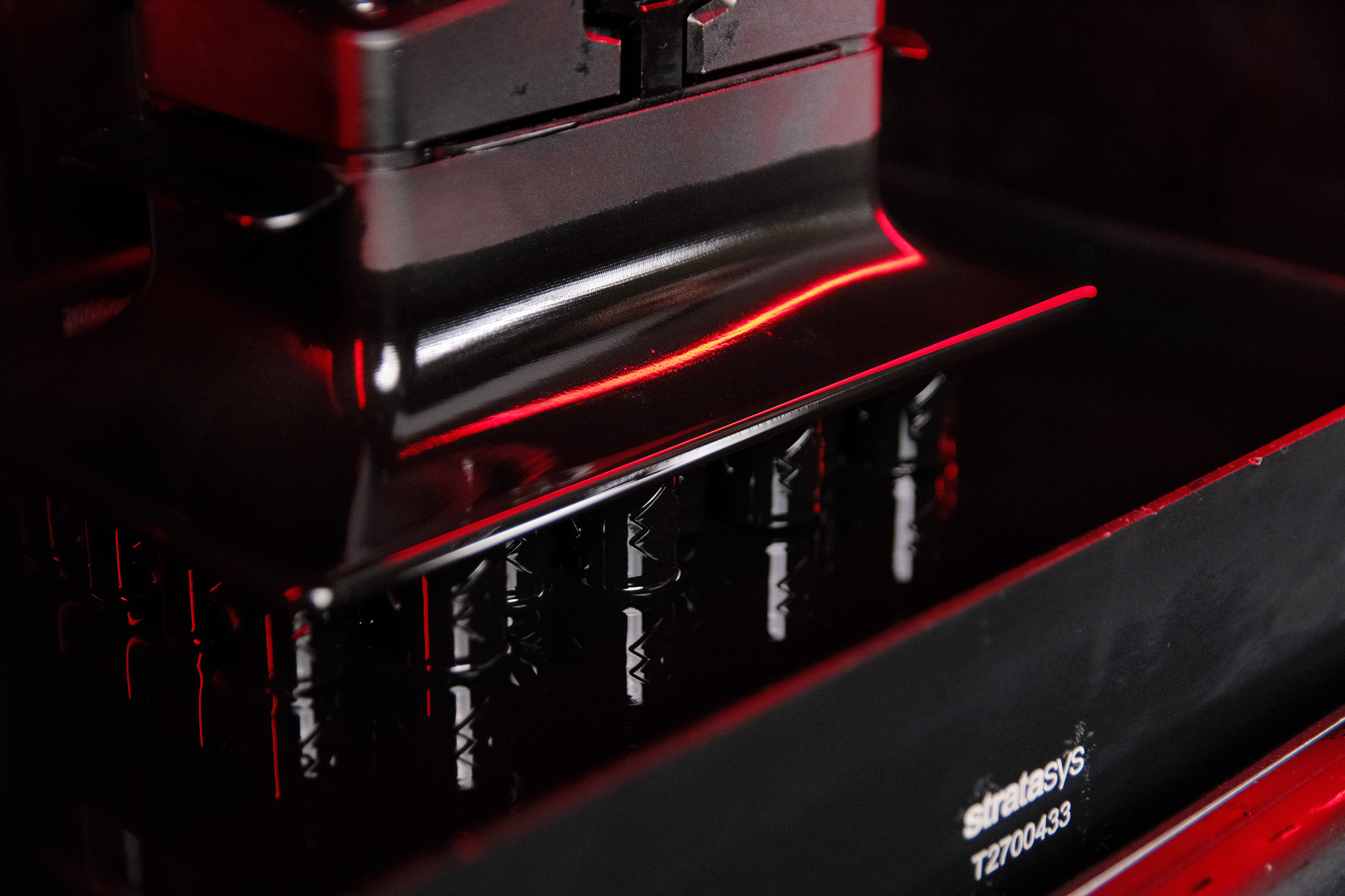
Stratasys P3™ (Programmable PhotoPolymerization) technology manages light, temperature and forces during printing for high-resolution parts and excellent surface finishes.
With P3 DLP technology and the Ultracur3D® RG 3280 resin material, manufacturers have faster, more flexible tools to accelerate their production.
less than 1 day |
less than €1,000 |
more than 280°C |
|
Designing, printing and testing a mold |
Typical cost per printed mold |
Thermal resistance (HDT) of RG 3280 |
Unparalleled accuracy
4K DLP projector ensures printing accuracy up to ±50 microns.
Superior surface finish
Very smooth surfaces, essential for the quality of injection molds.
Proven
repeatability
Consistent production of injection molded inserts, series after series.
Open material ecosystem
Free choice of materials tailored to the specific requirements of each mold design.
THE MATERIAL
Ultracur3D® RG 3280: designed for the tough demands of injection molding
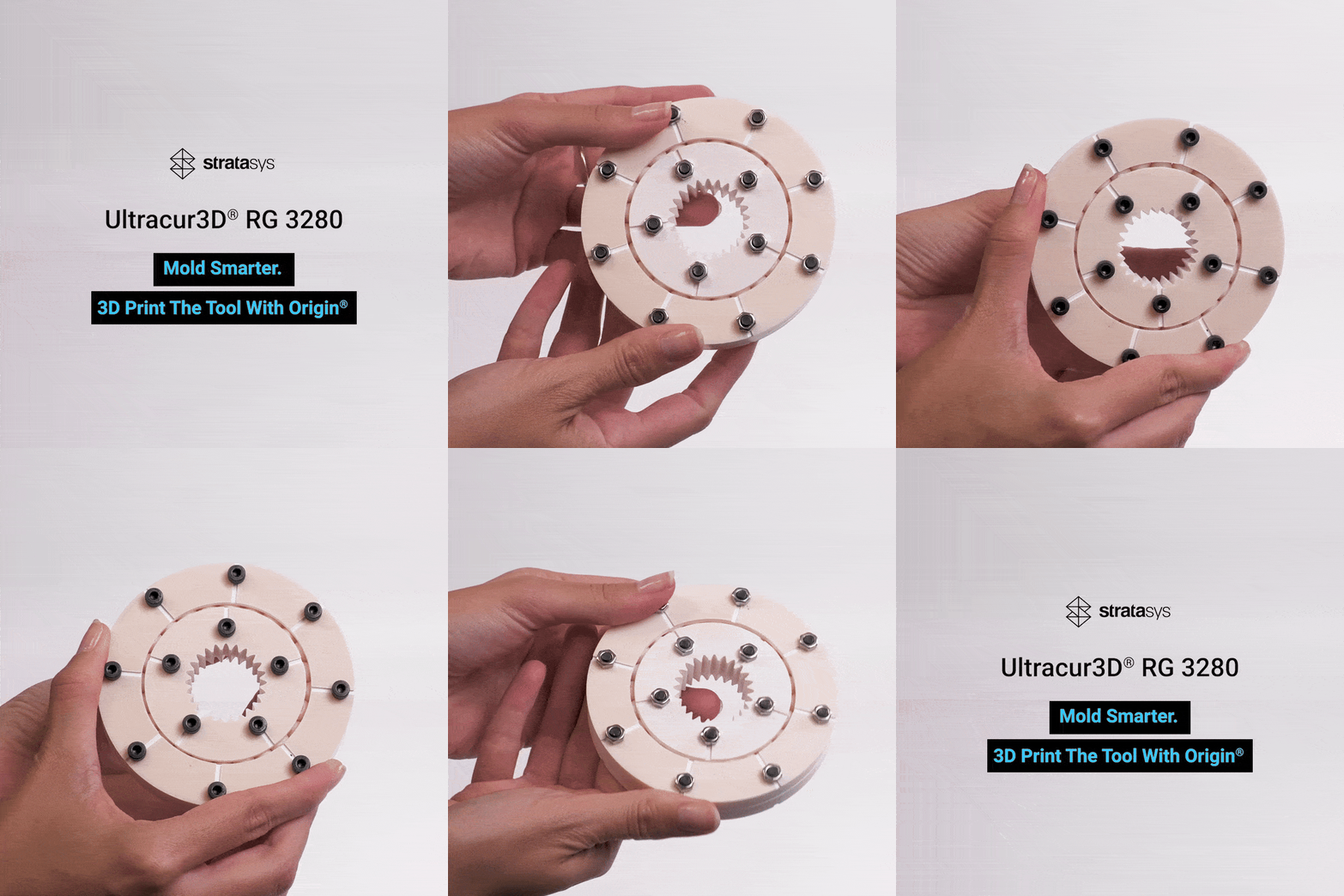
This ceramic-filled material, validated for the Origin platform, is developed for demanding applications: injection molding, vacuum forming, blow molding, extrusion dies and wind tunnel testing.
| CHARACTERISTIC | VALUE | ADVANTAGE |
| Thermal resistance (HDT) | > 280°C | Resistant to injection molding conditions |
| Modulus of elasticity | ~10.5 GPa | Dimensional stability under pressure |
| Wear resistance | Hundreds to ~1,000 cycles | Repeatable production in small series |
| Surface finish | Excellent | Clean transmission of fine details |
METHOD
From design to test in one day
1. Mold design
CAD modeling of the insert or complete mold, including conformal cooling channels if desired.
2. 3D printing with RG 3280 resin
Print on an Origin printer with Ultracur3D RG 3280 — cost typically under $1,000 per mold.
3. Post-treatment and validation
Cleaning, UV curing and quality control of the surface before use.
4. Injection molding and iteration
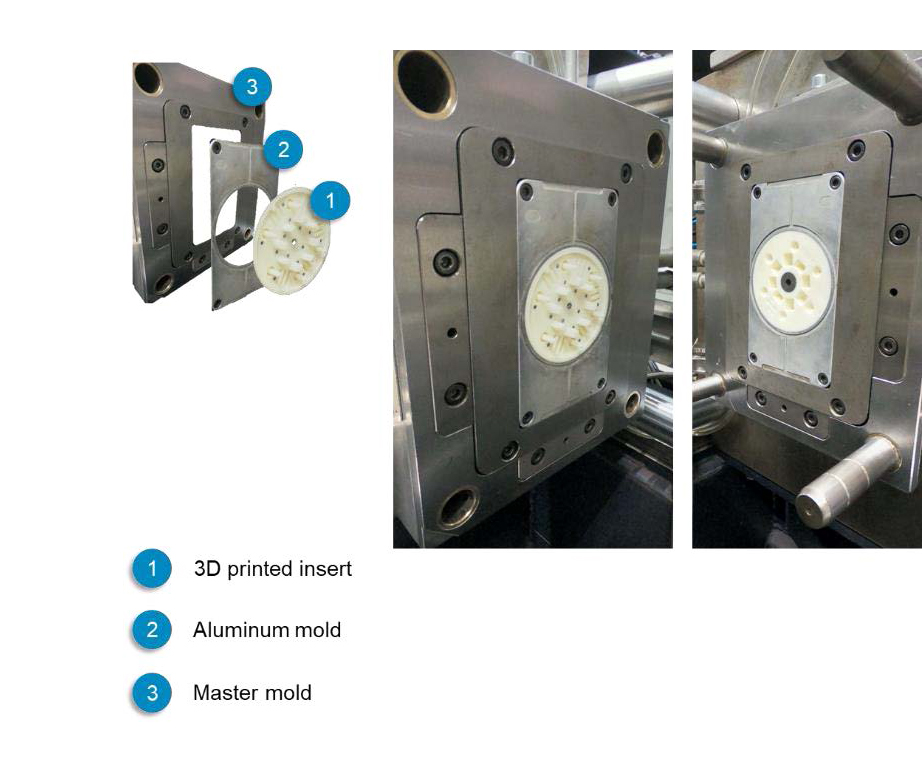
Produce pilot parts, validate design and adjust quickly — without waiting weeks for a new steel tool.
IDEAL APPLICATIONS
When to choose rapid tooling?
RG 3280 does not replace steel tooling for high-volume production, but fills a critical gap for:
- Small series production: starting a limited series without investing in expensive steel tools.
- Pre-production validation: testing the performance of the injection molding material before the final tooling investment.
- Bridging Tooling: Continue delivery while the permanent tooling is still in production.
- Complex geometries: Producing shapes that are difficult or too expensive to mill.

Achieve industry-leading accuracy, consistency, detail and throughput with P3™ Programmable Photopolymerization technology in the Origin 3D printer from Stratasys.