







Everything you need to know about DLP 3D printing
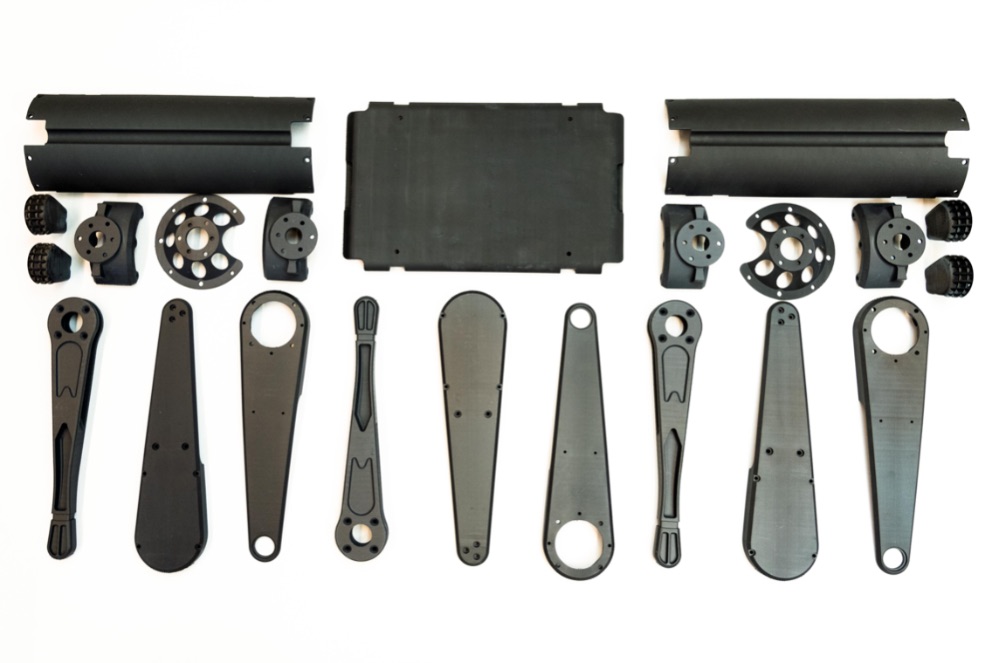
DLP 3D printing is used to produce high-precision parts with a smooth finish. High-quality materials are used that add functional properties to the printed parts.
This makes the technology ideal for the production of end parts and is a good alternative to injection molding in small-scale production.
Introduction to Digital Light Processing (DLP)
DLP is a digital method of light projection, in which individual pixels on the screen are controlled based on color, brightness and contrast. It is the core of this technology digital micromirror device (DMD), which reflects light to the desired pixels.
The DMD was developed in 1987 by Texas Instruments and consists of thousands of microscopic mirrors. Used ten years later Digital Projection this technology to create the first DLP projector.
The projector can control each mirror individually to reflect light to the screen or direct it away (to a light trap). In addition, the mirrors can quickly switch between “on” and “off” to adjust the effective brightness of a color (or shade of gray).

DLP 3D printing
With DLP 3D printers, the DLP projector is only one (but crucial) component within an advanced 3D printing machine. A DLP 3D printer consists of four main parts:
- Resin vat
- Construction platform
- DLP light source
- Membrane/separation mechanism

Print process
- The resin vessel contains a photopolymer resin, a type of plastic that hardens when exposed to light.
- A flexible membrane at the bottom of the vessel (under the build platform) expands downward, allowing a thin layer of resin to flow inward.
- The DLP projector cures an entire layer of the 3D printed part at once by projecting an image of that layer onto the resin surface in the vessel.
- The membrane contracts upward and adheres to the build platform, curing a thin layer of resin between the membrane and the build platform.
- The build platform is raised slightly (by a minimum distance, which determines the Z-axis resolution) to allow new resin to flow under the part.
- Steps 2-5 are repeated for each layer until the part is completely printed.
DLP 3D printing applications
DLP is used in various additive manufacturing applications, especially when high accuracy, precision and a fine finish are required, together with materials that provide excellent performance (such as tough, elastic or heat-resistant materials). Here are some examples of applications where DLP 3D printing performs exceptionally well:
- Functional prototypes
DLP allows you to create advanced prototypes that look, feel, and function like the final product. - Jigs and fixtures
DLP can print tools and production accessories with high accuracy and the required mechanical or functional properties. The speed and low costs per part make this an ideal solution. - Industrial production parts
With industrial parts it is often all about quantity. For mass production, injection molding is usually the cheapest, but at lower volumes and specific geometries, additive manufacturing becomes more cost-efficient. DLP makes it possible to make small production series for, for example, connectors, seals and other parts with specific properties. - Other tool applications
DLP can also be used to make molds, even high-temperature ones, which need to be rigid and durable.

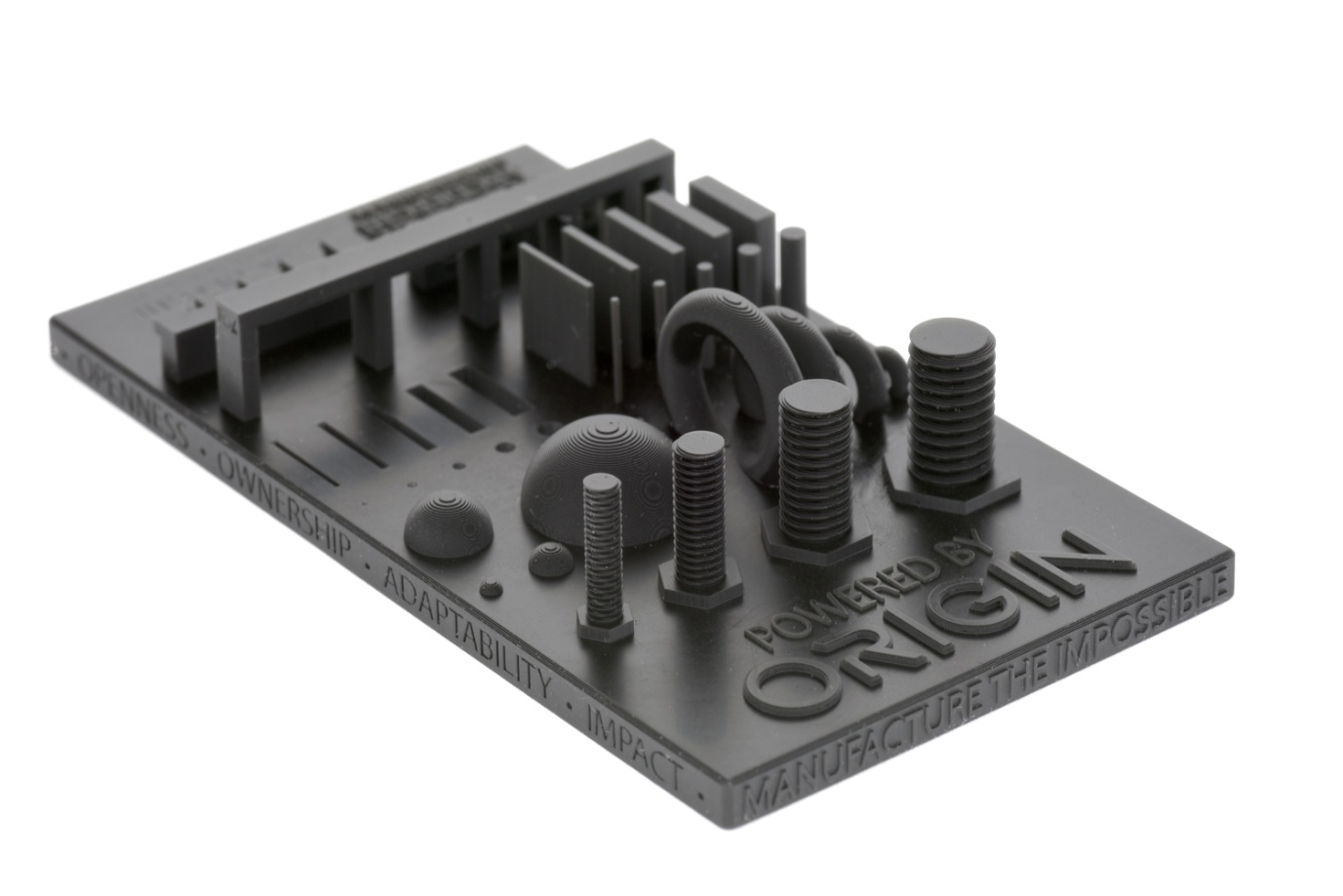
Achieve industry-leading accuracy, consistency, detail and throughput with P3™ Programmable Photopolymerization technology in the Origin 3D printer from Stratasys.