





SLA or powder bed printing technology: how do you choose?
Nowadays, stereolithography (SLA) and powder printing (SLS or SAF) are very accessible, whether you want to 3D print yourself or outsource the work. However, the techniques each have their strengths and weaknesses. How do you choose as an engineer?
First the technology.
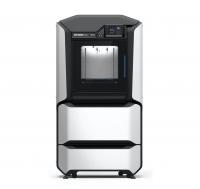
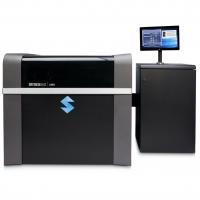
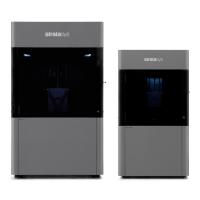
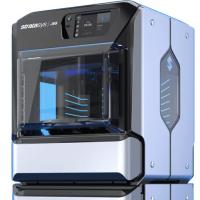
With SLA (and also DLP - Digital Light Processing), a liquid polymer is illuminated with light. Where the light falls on the material, it solidifies. After 3D printing, the part must be washed and cured in a UV station. At SLA, like the industrial one Stratasys NEO printers , a laser is the light source. DLP systems use a digital light source that can switch quickly. This technology is applied in the Stratasys Origin One printers, the P3 technology. These techniques are therefore very similar, because both use a photopolymer. Both techniques allow you to print very detailed workpieces.
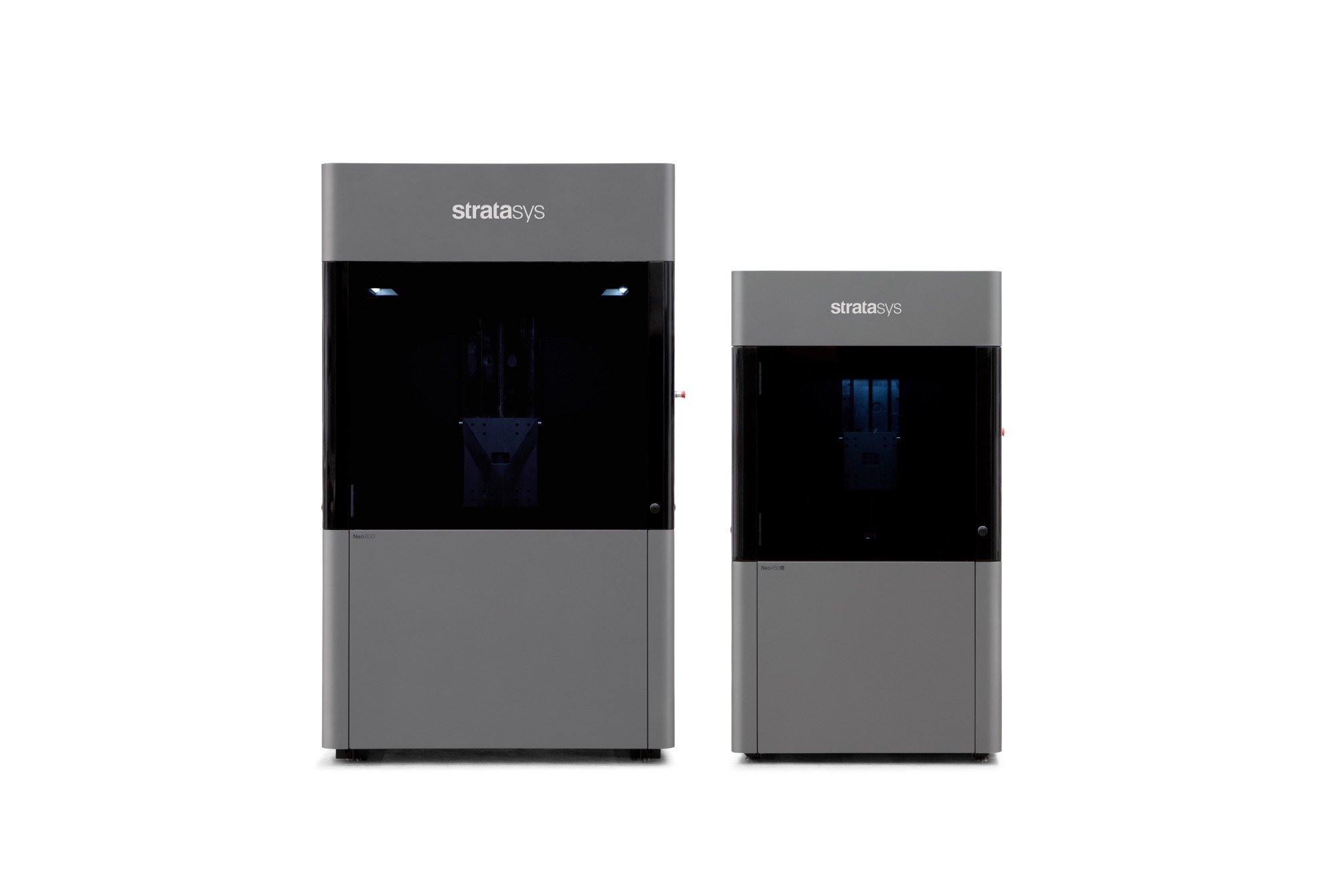
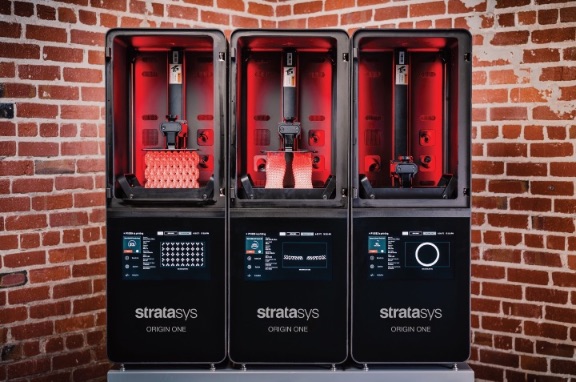
SLA and DLP are fast and accurate; SAF prints robust workpieces
Powder bed technology
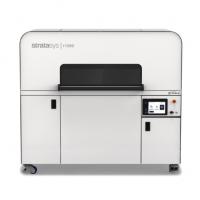
More detailed than with a powder bed based system, such as the SAF H350 machine from Stratasys. This works with a liquid that is applied to the powder bed where material must adhere. This ensures that the heat from the special lamp that illuminates the powder bed in one go is better absorbed. So far, this machine has been able to process PA11, PA12 and soon Polypropylene, plastics that are common in the injection molding industry. The technology is relatively fast and therefore the SAF H350 printer is suitable for volume production.
Selection criterion 1: detail
How do you choose between these two printing techniques?
For example, based on the detail you need.
SLA and DLP 3D printing with a very high resolution. The workpieces are very detailed and have a smooth surface, unlike the workpieces that come from the SAF printer. Powders are used here, which remains visible despite the high quality that Stratasys achieves.
Selection criterion 2: support structure
The advantage of powder bed technology is that no support structures are required. Overhanging parts rest on the powder bed. This saves a lot of time in post-processing afterwards. And with 3D printing it saves time and therefore costs. The finishing time of parts from a Neo SLA printer can be reduced by up to half compared to a powder bed printer.
Selection criterion 3: mechanical properties
Another essential difference is found in the mechanical properties. SLA/DLP prints are brittle; This makes them less suitable for mechanical applications, for example when loads are applied. The materials can also age faster under the influence of light in certain applications. The two types of nylon and PP that can be printed with the H350, on the other hand, are robust materials that are very suitable for end applications. The workpieces printed on the SAF H350 are very useful in, for example, mechanical engineering.

Dimensions: barely any difference
Nowadays there is no difference in terms of dimensions: Stratasys can even 3D print very large parts with the NEO, up to 800 by 800 by 600 mm. However, multiple parts can be combined in a build job on the SAF H350. The unique structure of the machine ensures that the accuracy of the pieces at the edges of the bed is just as high as in the center. By combining many parts in the build job, the cost per piece decreases.
Post-processing steps
Finishing the workpieces is relatively simple: the first step is to remove loose powder, after which sandblasting and even coloring can be carried out. SLS and DLP still require the washing and post-curing step.
Curious about which technology best suits your applications? Ask our sales advisors.

Over 20 years of experience
Experience, expertise, and customer satisfaction are the cornerstones of our company.

Authorized distributor
Your AM partner in the Benelux, France, and the Nordics, with service operations and local offices in each region.

Go for the best deal
We offer a range of financing options to suit every use case, including renting, leasing, and trade-in solutions.