


Customer stories - Amsterdam UMC

Customer story
Amsterdam UMC: custom 3D-printed ventilation masks
Amsterdam, the Netherlands (source: Amsterdam UMC, link to the original article )

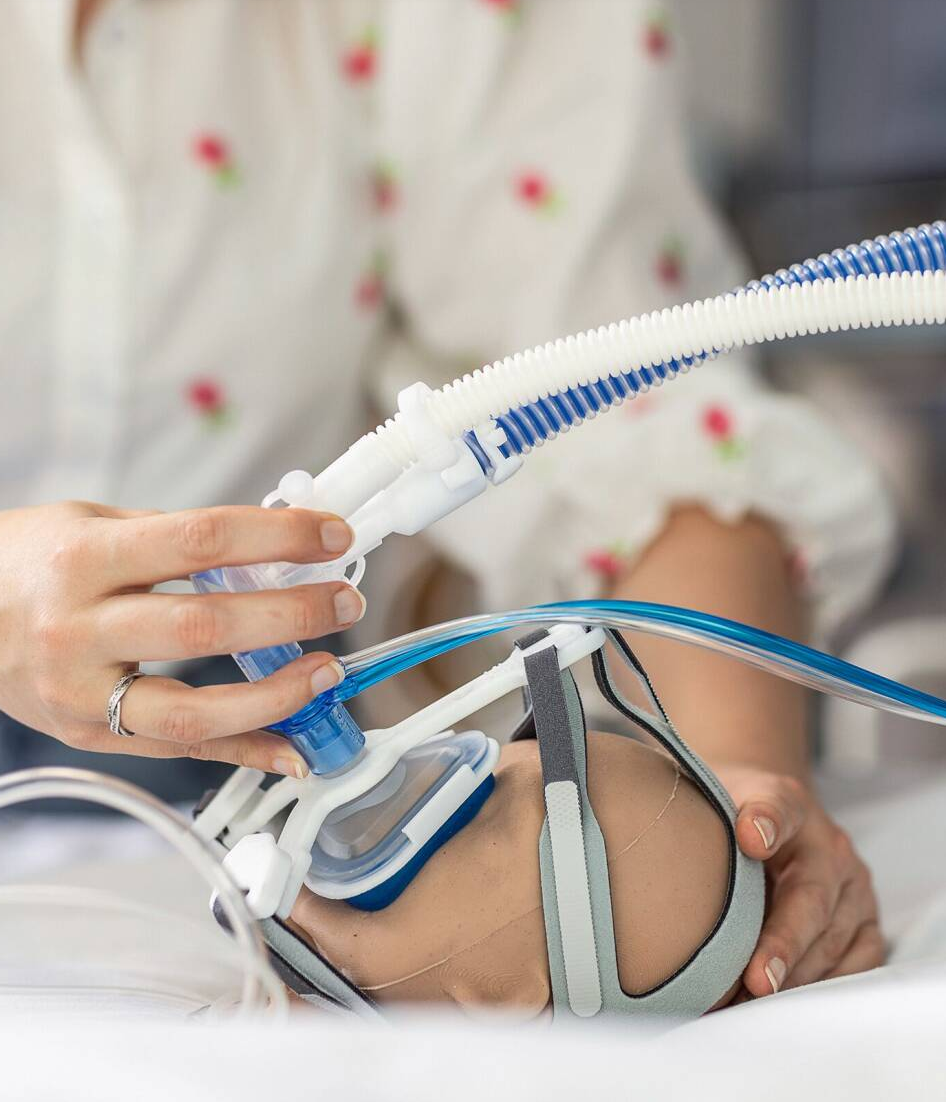
In the paediatric ICU of Amsterdam UMC's Emma Children's Hospital, children aged 0 to 7 receive ventilation masks that are custom-printed on a Stratasys Origin P3 DLP printer.

The search for a good fit
Personalised masks are badly needed, because standard masks often fit children in intensive care poorly, leak or cause painful pressure sores. When a mask leaks, a nurse has to tighten it, which only increases the pressure on the face.
Photo: Amsterdam UMC
A poor fit is not only very uncomfortable for children; it can sometimes mean that non-invasive ventilation is no longer possible. In that case, they have to be switched to invasive ventilation through a tube. This requires the children to be sedated, whereas with mask ventilation they can stay awake and keep in touch with their family and caregivers. Invasive ventilation also carries a higher risk of infection and airway damage. That makes a good fit all the more important.
The intensive care unit also treats a relatively large number of children with atypical facial features caused by a syndrome. Personalised masks can be an important solution for them as well.

From 3D scan to mask
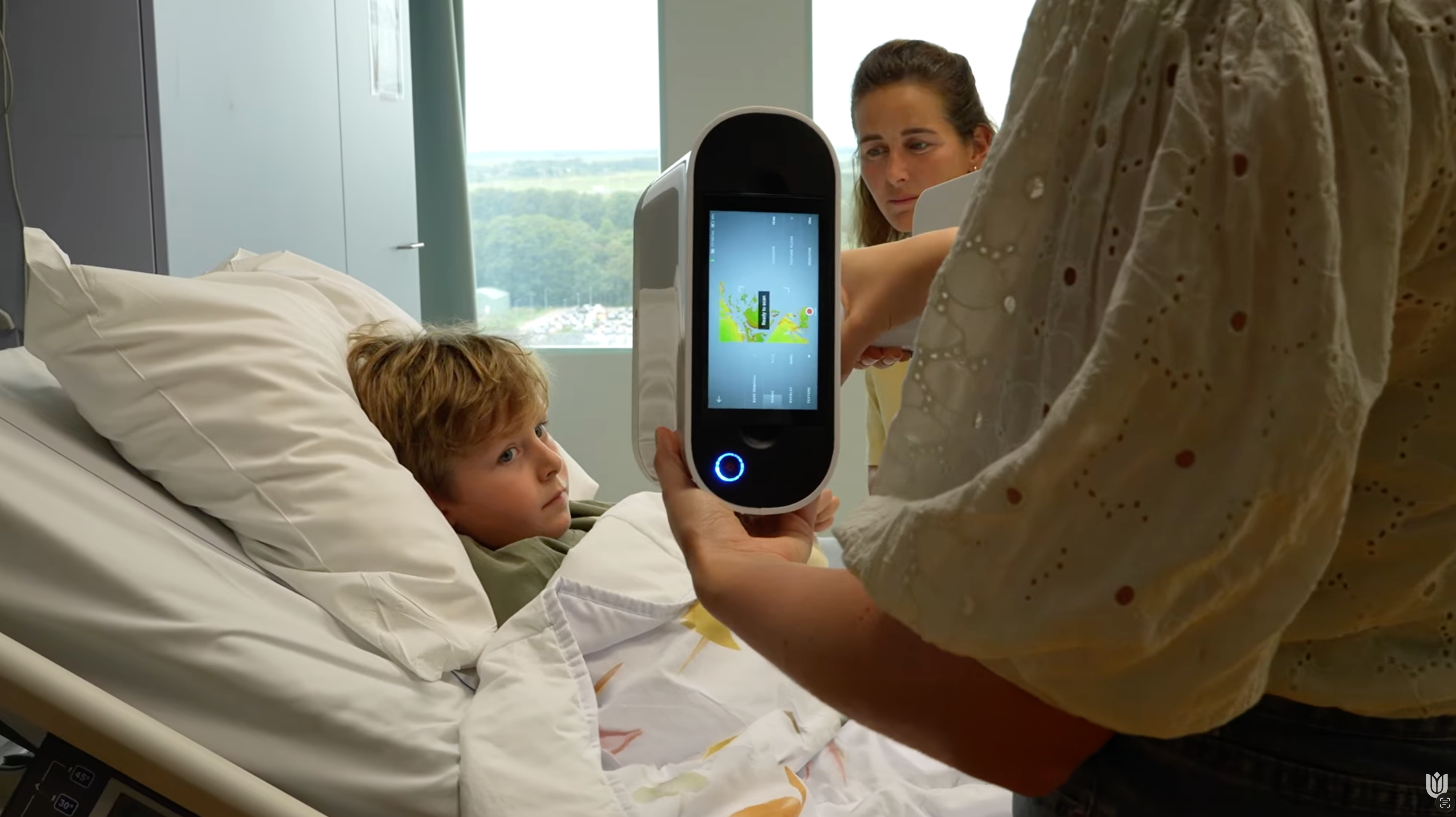
The ultimate goal is for every child admitted to the ICU with breathing problems to have a personalised mask within 24 hours. First, the patient's face is scanned with a handheld scanner, which takes just 20 to 30 seconds.
The scan is then loaded into specially developed software. A doctor or nurse clicks on a number of landmarks, points the software needs to create a well-fitting mask, such as the bridge of the nose or the cheekbones. The software turns this data into a printable design. Printing takes a few hours.
Image: Amsterdam UMC (video still)



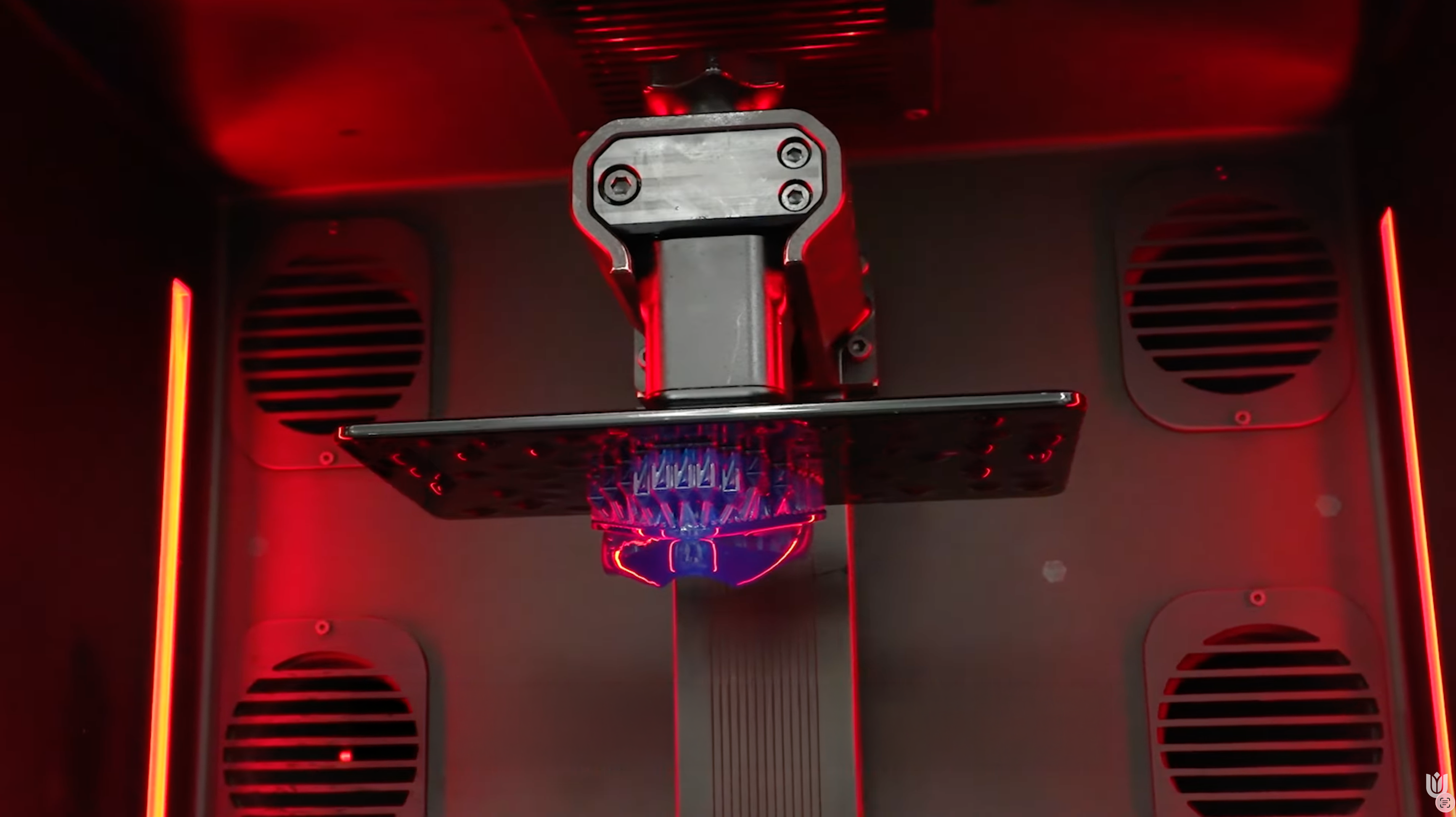

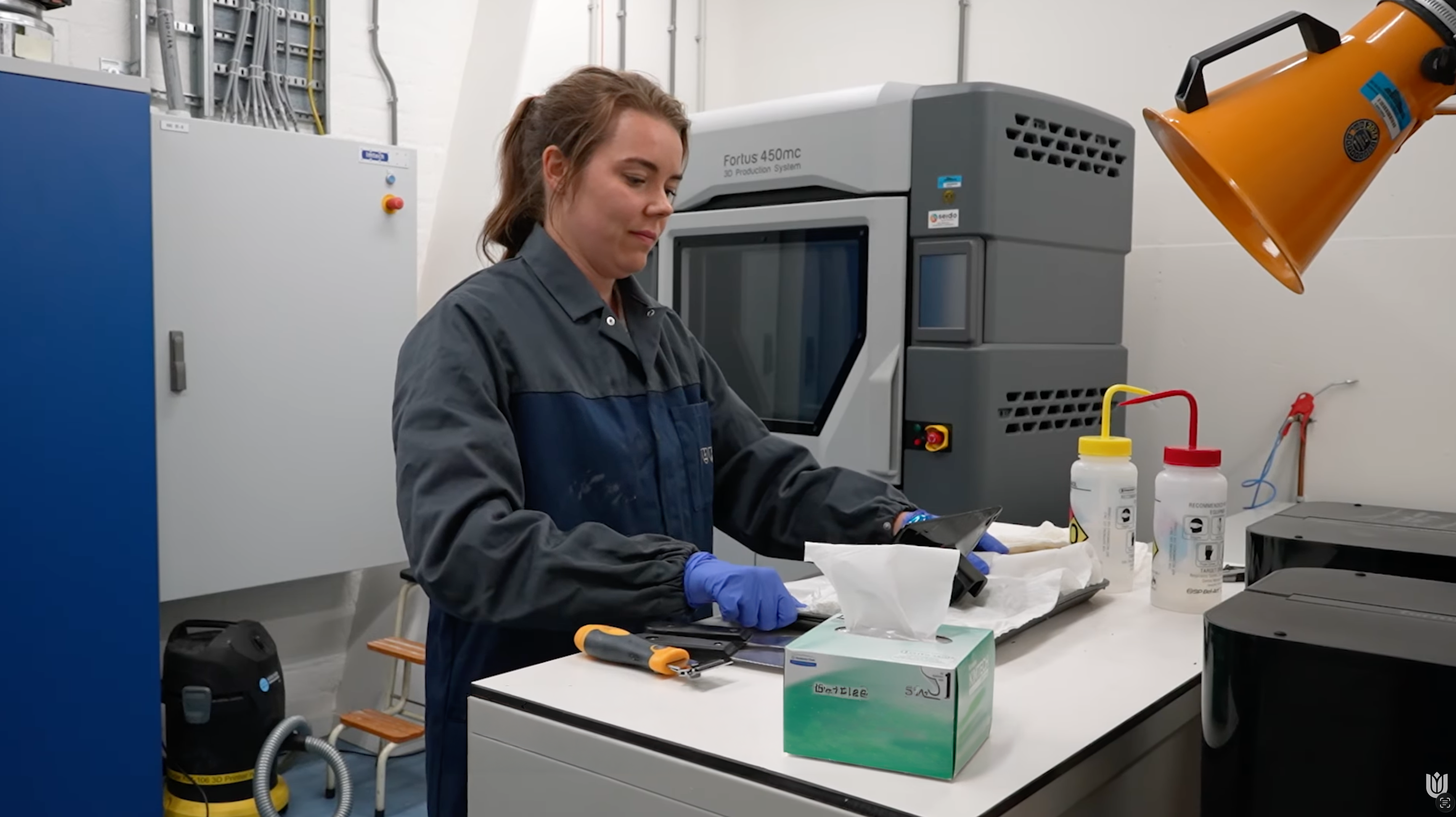


Images: Amsterdam UMC (video stills)
There are plans to extend the technique to older children, children who need long-term ventilation and possibly adults.


Stratasys Origin printer
Amsterdam UMC's MedTech Prototyping & Development department was already working with a Stratasys Fortus 450 FDM printer. For this new application in the paediatric ICU, they were looking for a 3D printer that could process flexible, medically certified and biocompatible materials. Through Stratasys Platinum Partner SEIDO Systems, they ultimately chose the Stratasys Origin 3D printer with DLP technology.
Photo: Amsterdam UMC
Advanced materials and technologies
Amsterdam UMC uses the Origin printer to print biocompatible materials such as Loctite 3D MED414. This medical resin is suitable for a wide range of medical applications where a comfortable, close fit matters.
Photo: Loctite
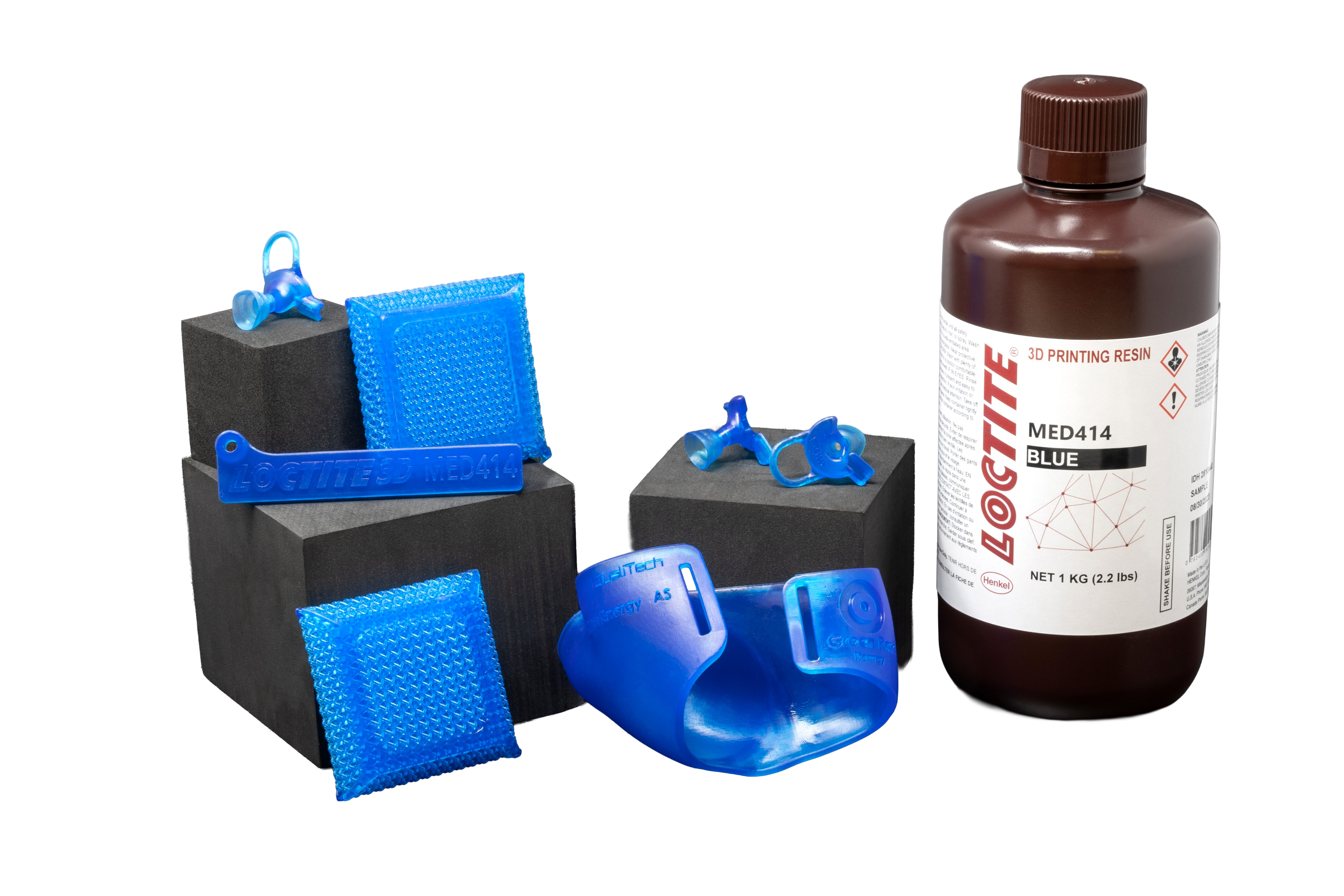
TPO-free Loctite 3D MED414 meets the ISO 10993-5 and ISO 10993-10 biocompatibility standards when processed according to a validated workflow. Its low shrinkage and good print resolution also ensure accurate 3D-printed parts.
Ideal for: custom ear devices, wearables, medical devices and components for medical equipment.

Get started from day one
Stratasys 3D printers are easy to install and use, and require little training to get started. The modular build platform meets a variety of design needs, and the intuitive GrabCAD Print software lets you move smoothly from design to print.
Amsterdam UMC can also rely on SEIDO Systems for maintenance, advice and support.

With the Stratasys Origin, you produce ready-to-use end-use parts with quality and precision comparable to injection moulding. Thanks to its high-performance resins, the printer is ideal for series production or on-demand manufacturing.
Stratasys Origin
Different purchase options or operational renting. Contact us for a flexible formula tailored to your business.