Automated support removal at J.W. Speaker and Toro
Anyone who prints a lot of FDM parts knows the problem: printing runs smoothly, but removing support material holds everything up. Two new Stratasys case studies show how J.W. Speaker and The Toro Company eliminated that bottleneck with the automated PostProcess BASE solution.
J.W. Speaker: from one week to nine hours
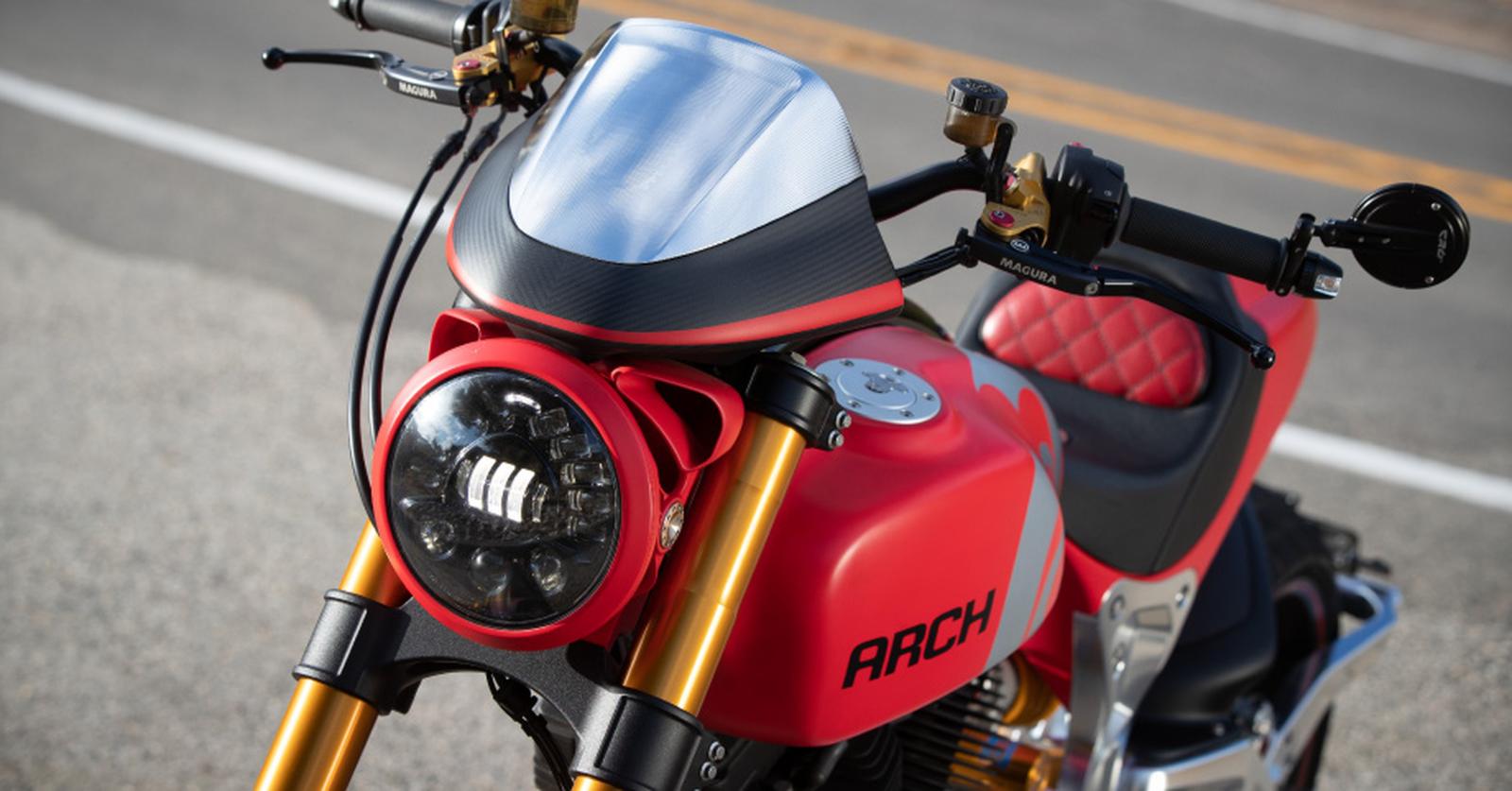
J.W. Speaker designs and manufactures LED lighting for automotive, powersports, transportation and industrial applications in Germantown, Wisconsin (USA). The company has used 3D printing for more than a decade and bought a Stratasys F3300 to replace machined assembly fixtures with FDM parts. Support removal, however, was manual work: clearing threaded holes and fine details, soaking parts in sodium hydroxide, rinsing, and drying them overnight in an oven. Large fixtures had to be printed in pieces.
Alongside the F3300 came the PostProcess BASE, an automated spray-based support removal system. Parts that used to need overnight drying are now ready in as little as ten minutes. For fixtures produced in-house, turnaround dropped from about one week to nine hours (78% time savings). Compared with outsourcing, it went from two weeks to nine hours (89% faster). J.W. Speaker estimates annual savings at USD 60,000 to 75,000, and fixtures up to 18 x 18 inches (about 46 x 46 cm) now come off the printer in a single piece.
"With our old machine, we would have to put the parts in an oven overnight to dry out. Now, we have the parts cleaned and ready to be delivered in just a couple of hours," says Michael Speaker, Lead Additive Manufacturing Specialist.
Toro: cleaning in 4% of the build time
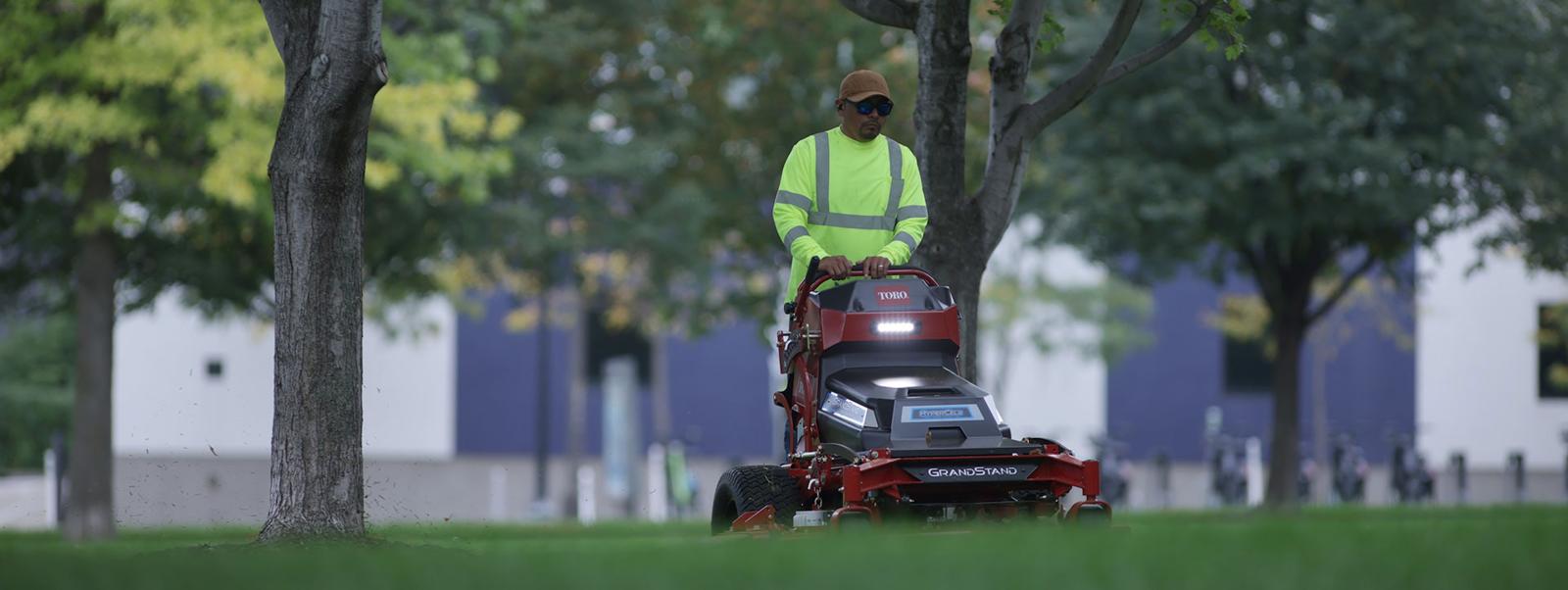
The Toro Company, a global provider of solutions for turf, landscape and outdoor maintenance, has printed with FDM since 2012 and grew from one to six printers. Its Minneapolis facility serves more than 300 designers. Support removal often took twice as long as the print itself: a three-day build meant six days of cleaning. Post-processing accounted for roughly 25% of a part's total cost.
Since Toro adopted the BASE, with stored "recipes" for temperature, pressure, agitation and duration, average post-printing time has fallen by about 89% and manual labor by more than 90%. Cleaning now takes on average just 4% of the build time, and loading, unloading and rinsing take about two hours a week.
"We went from spending two times the build time to clean parts to spending only 4% of the build time on average," says Rob McArdell, Product Development Supervisor of Engineering Technical Services at Toro.
Why it matters
Both cases point the same way: when you scale FDM for fixtures, tooling or prototypes, the real time gain comes once post-processing is automated too.
Photo: Stratasys / PostProcess Technologies